The recent Berlin power outage reminded many people: emergency preparedness isn’t prepper folklore but everyday common sense. Germany’s civil protection office recommends households keep a ten-day stock. Sounds like a lot – it isn’t, if you approach it right.
The rules of thumb for 10 days (per person)
- Around 20 litres of drinks – mainly water, about 2 litres per day
- Grain products, bread, potatoes, pasta, rice (about 3.5 kg)
- Vegetables and legumes, canned is fine (about 4 kg)
- Fruit and nuts (about 2.5 kg), dairy products (about 2.6 kg)
- Fish, meat or eggs, or plant-based alternatives (about 1.5 kg)
- Fats, oil, sugar, salt – plus what you actually eat: coffee, chocolate, spices
Important: the numbers are guidance, not dogma. A stock made of things you genuinely like gets maintained – one made of dusty specialty cans gets forgotten.
Rotation instead of a bunker
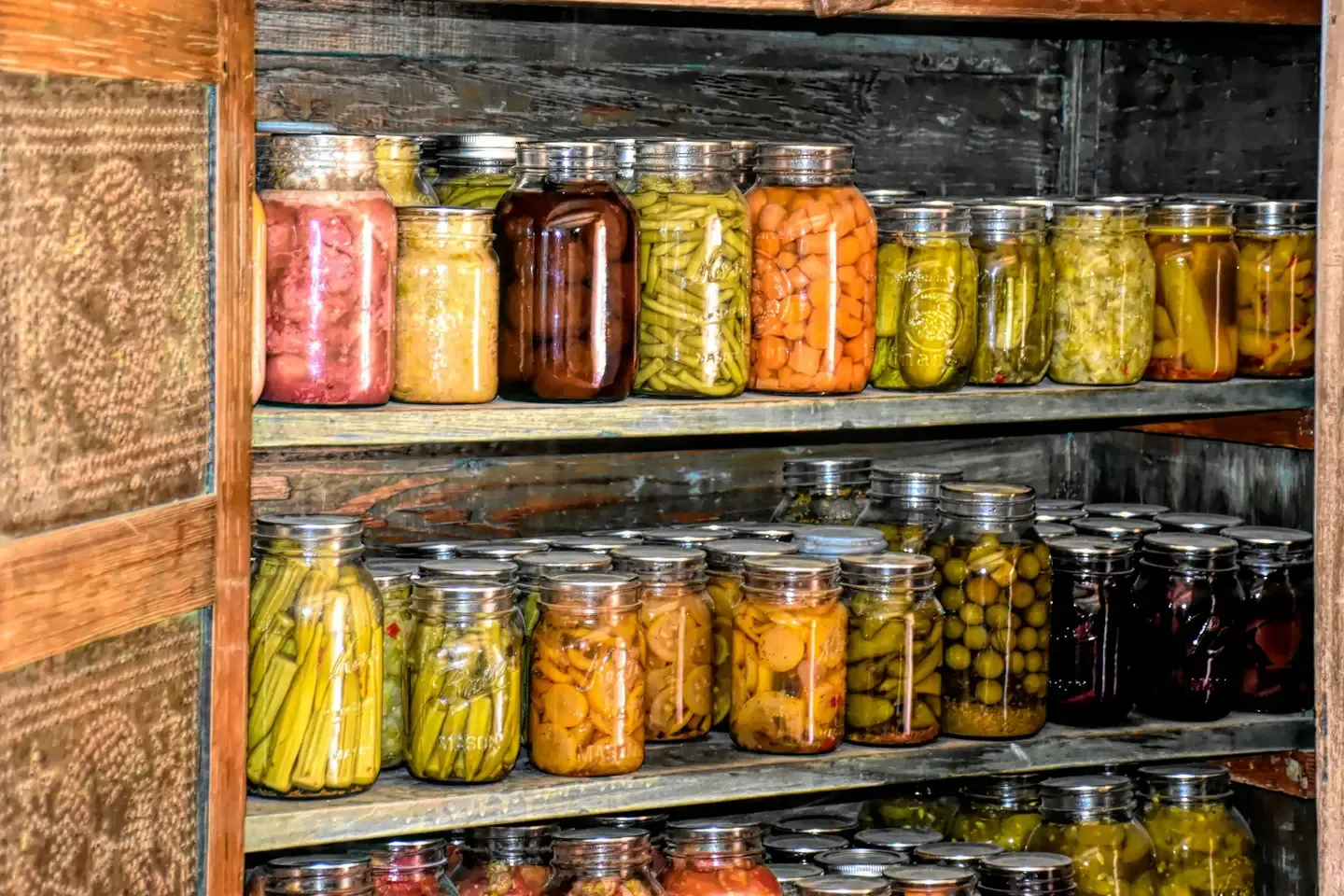
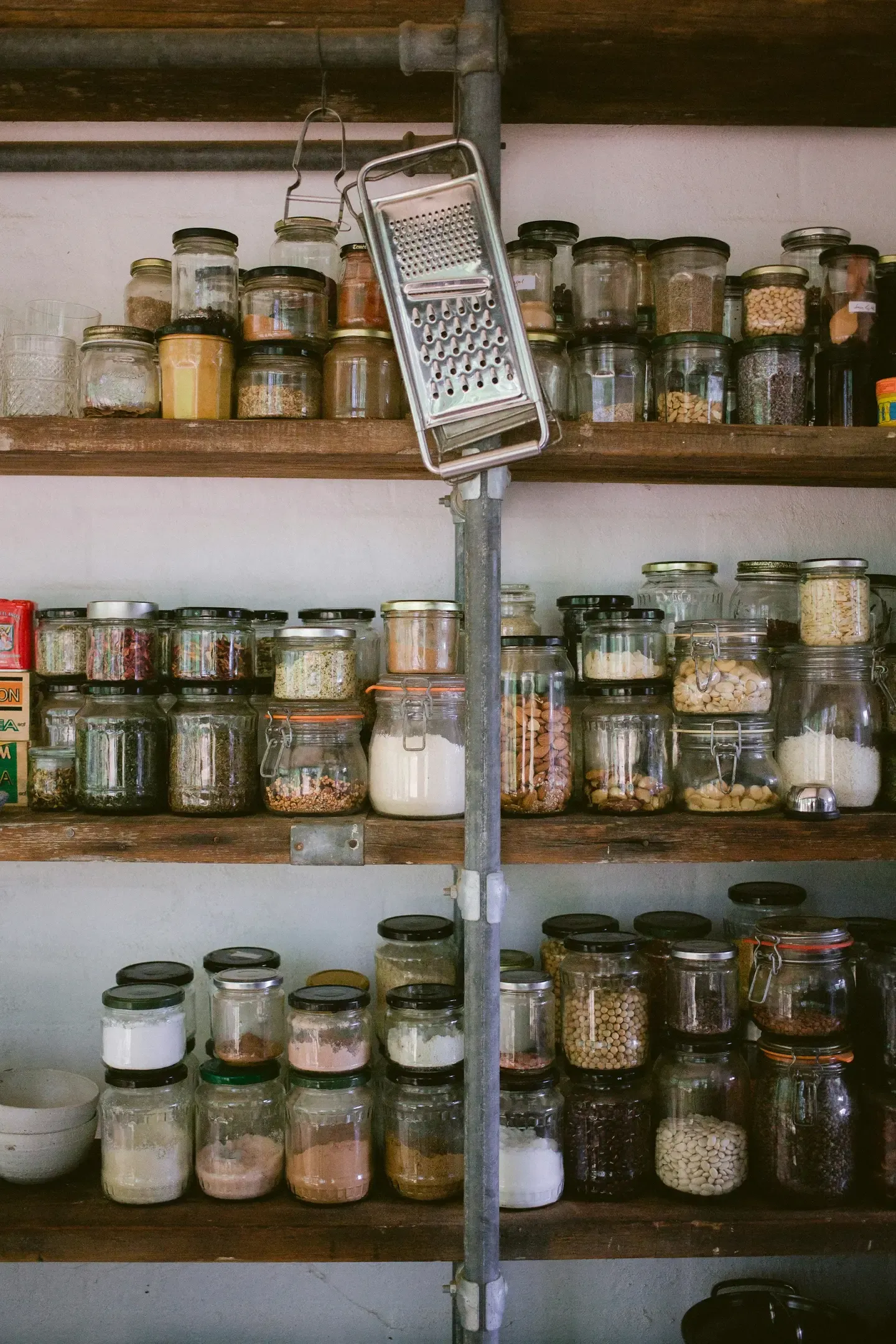
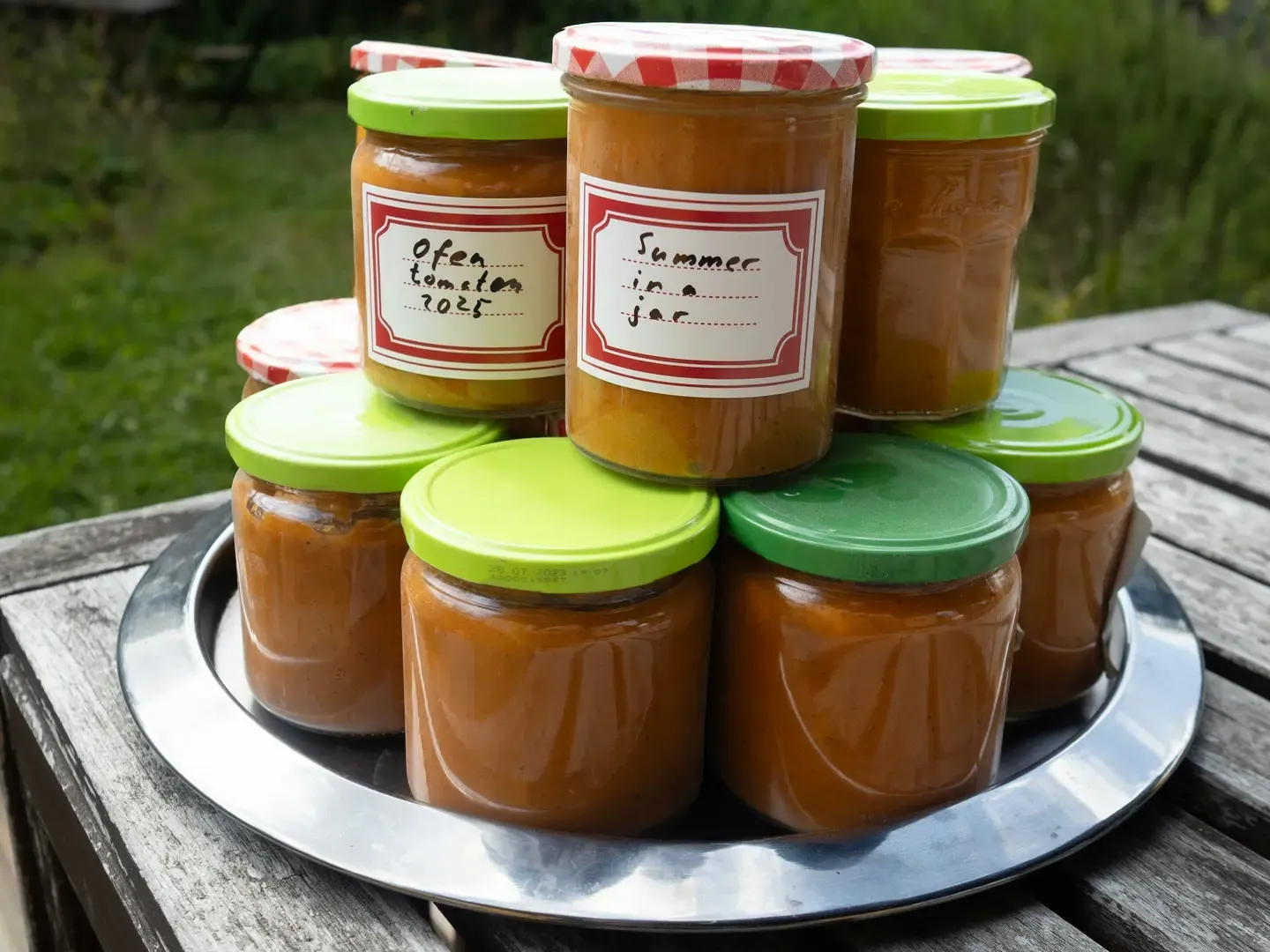
The smartest emergency stock is a “living stock”: buy a little more of what you use anyway, always eat the oldest first, and restock. Nothing expires and nothing costs extra. Our guide which foods to stockpile shows what works best.
Digital instead of paper chaos
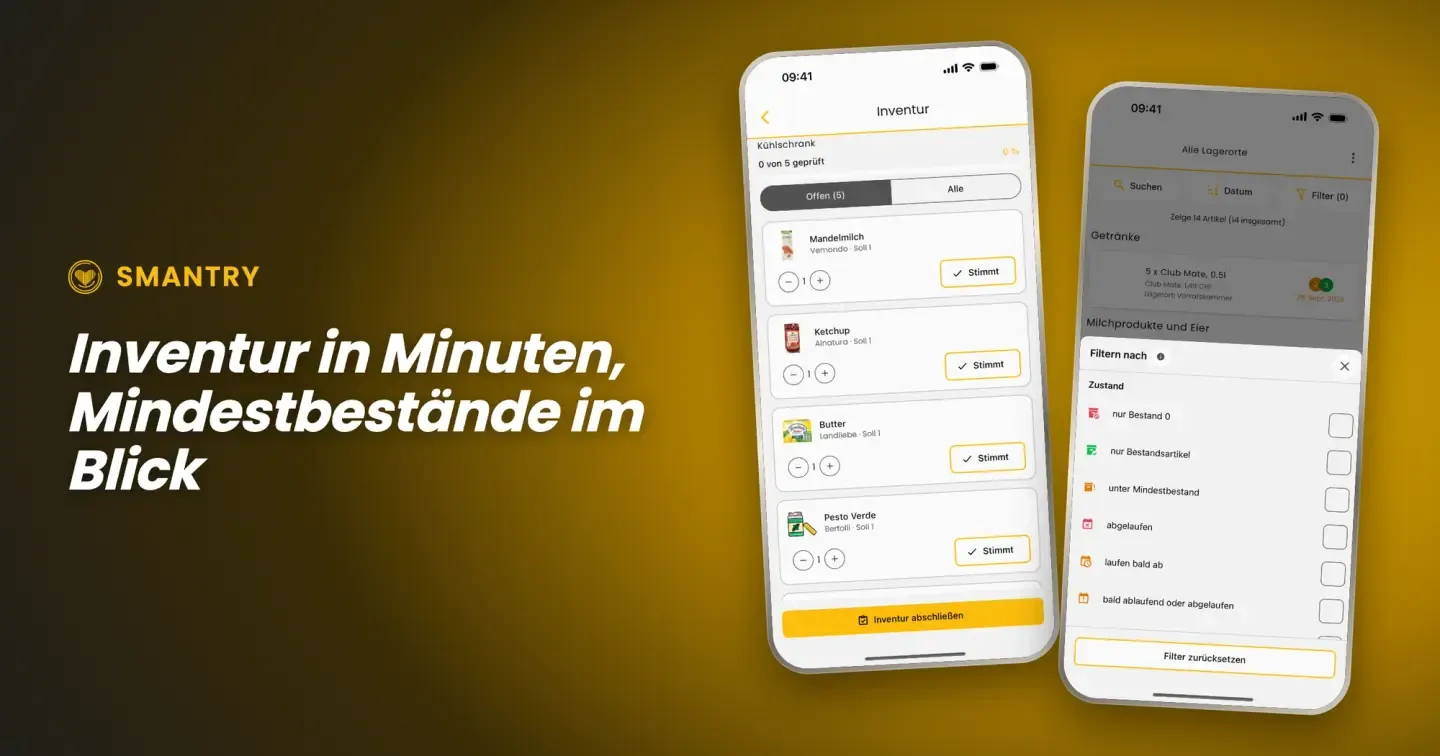
A checklist on the fridge is outdated from day one. In Smantry you instead define minimum stock levels for your emergency items: the app shows how many days you are covered, warns about expiring items and automatically puts missing things on the shopping list. The preparation statistics give you the full picture.
Start today, don’t be perfect
You don’t have to buy a 10-day stock this weekend. Add three extra items to your next shop, record them in the app, and repeat for a few weeks. Preparedness is a subscription, not a sprint.