Preserving strawberries
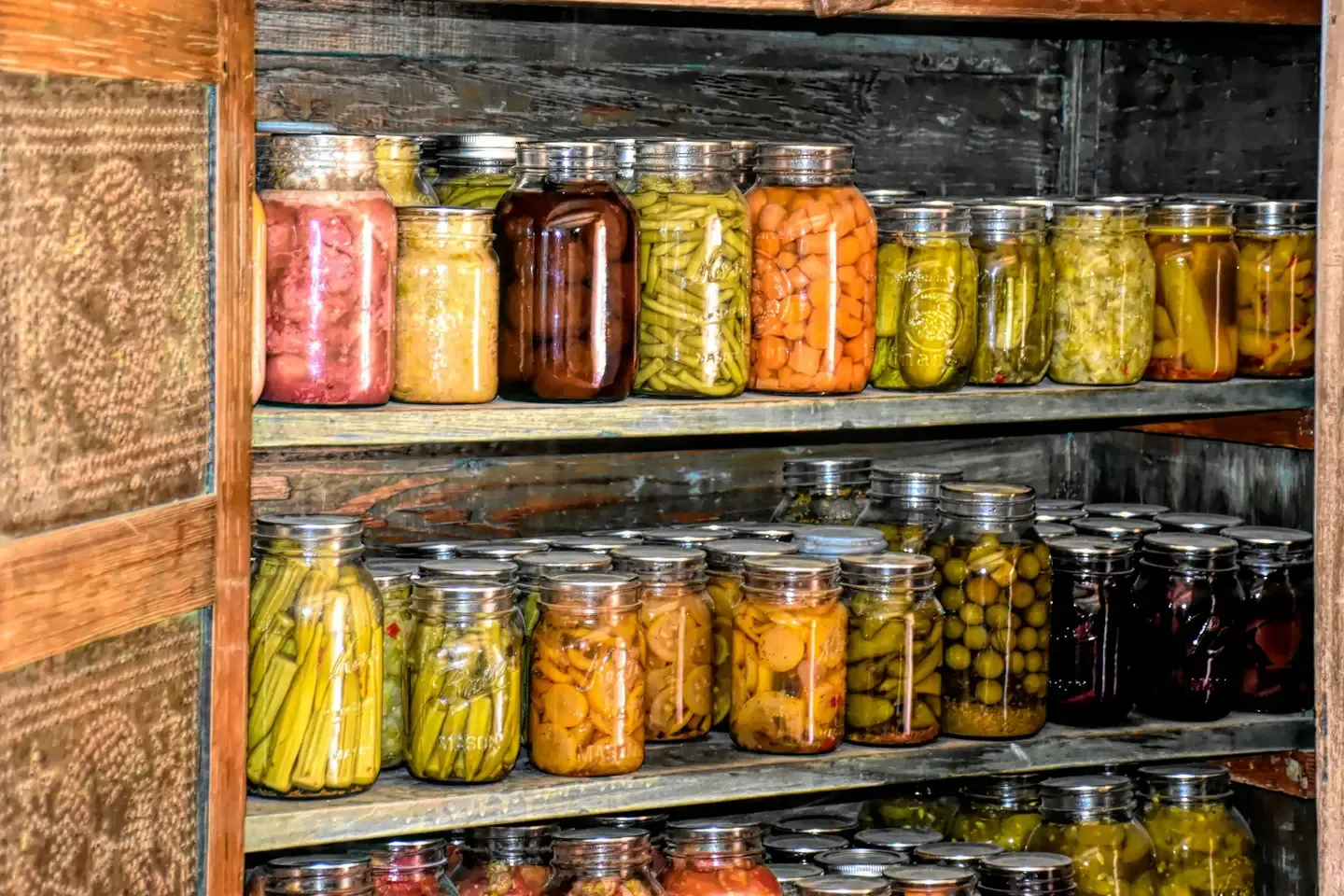
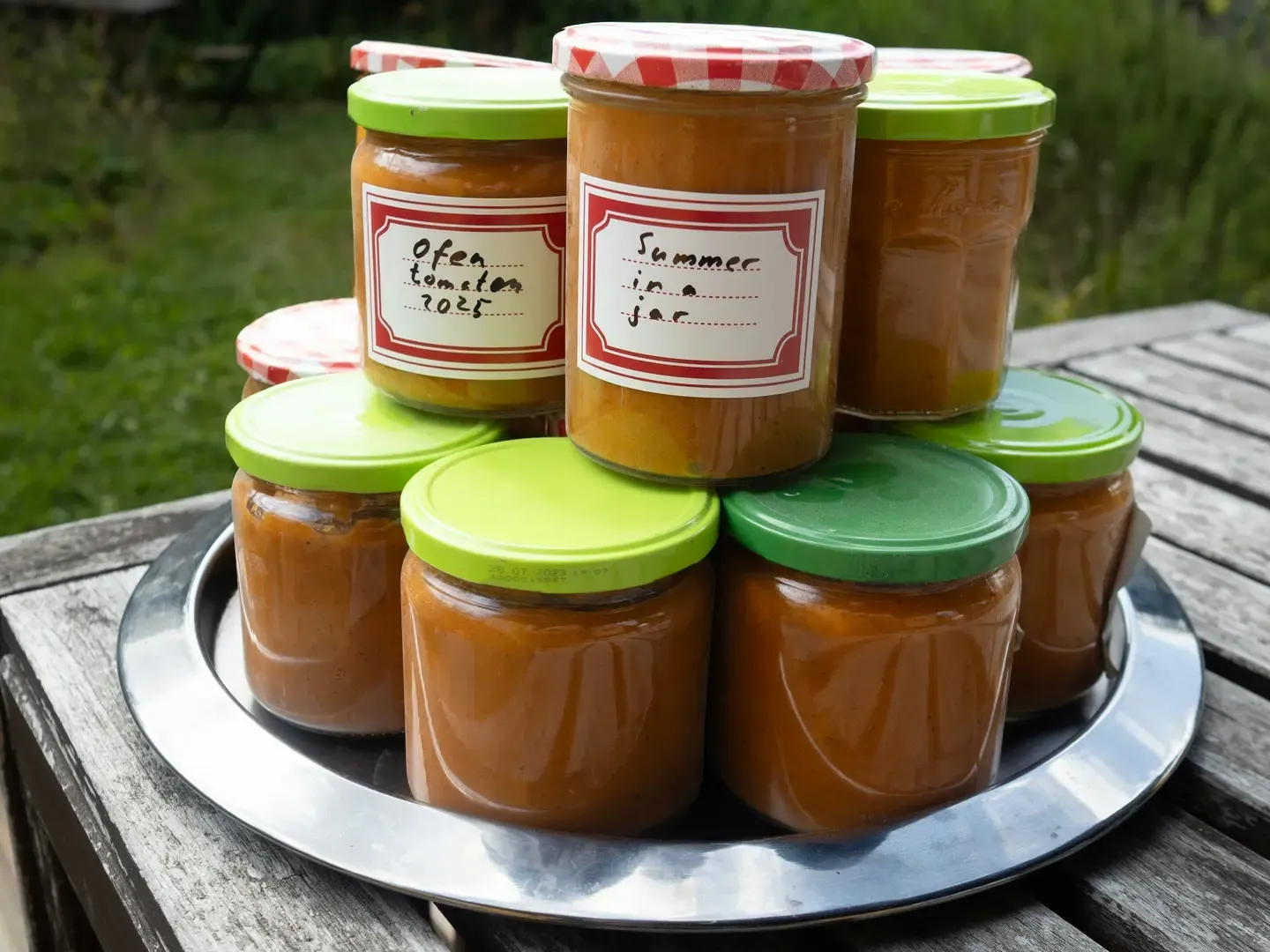
The strawberry season has recently started again. The popular fruit can be preserved for up to a year by canning - to bridge the time until the next season. For this, you need sufficiently large jam jars. Put the strawberries and 1 tablespoon of sugar into the jar and then fill it up with water. After that, place the jars upside down in a pot of water. Bring the water to a boil, turn off the stove, and let the jars stand in the hot water for two hours. After that, the strawberries can be stored unopened for about 1 year.
Freeze herbs
Fresh herbs are a staple in the kitchen. The problem is that they often don’t stay fresh for long, especially when you’ve bought them in larger quantities. The solution: Simply freeze the herbs with some oil. This way, they remain fresh and crisp for longer. Finely chopped herbs can actually be frozen perfectly in an ice cube tray (mixing ratio 2/3 herbs, 1/3 oil, or water). In the Smantry App, it is also possible to assign the freezer and/or the deep freeze as a storage location.
The thing with the cucumber
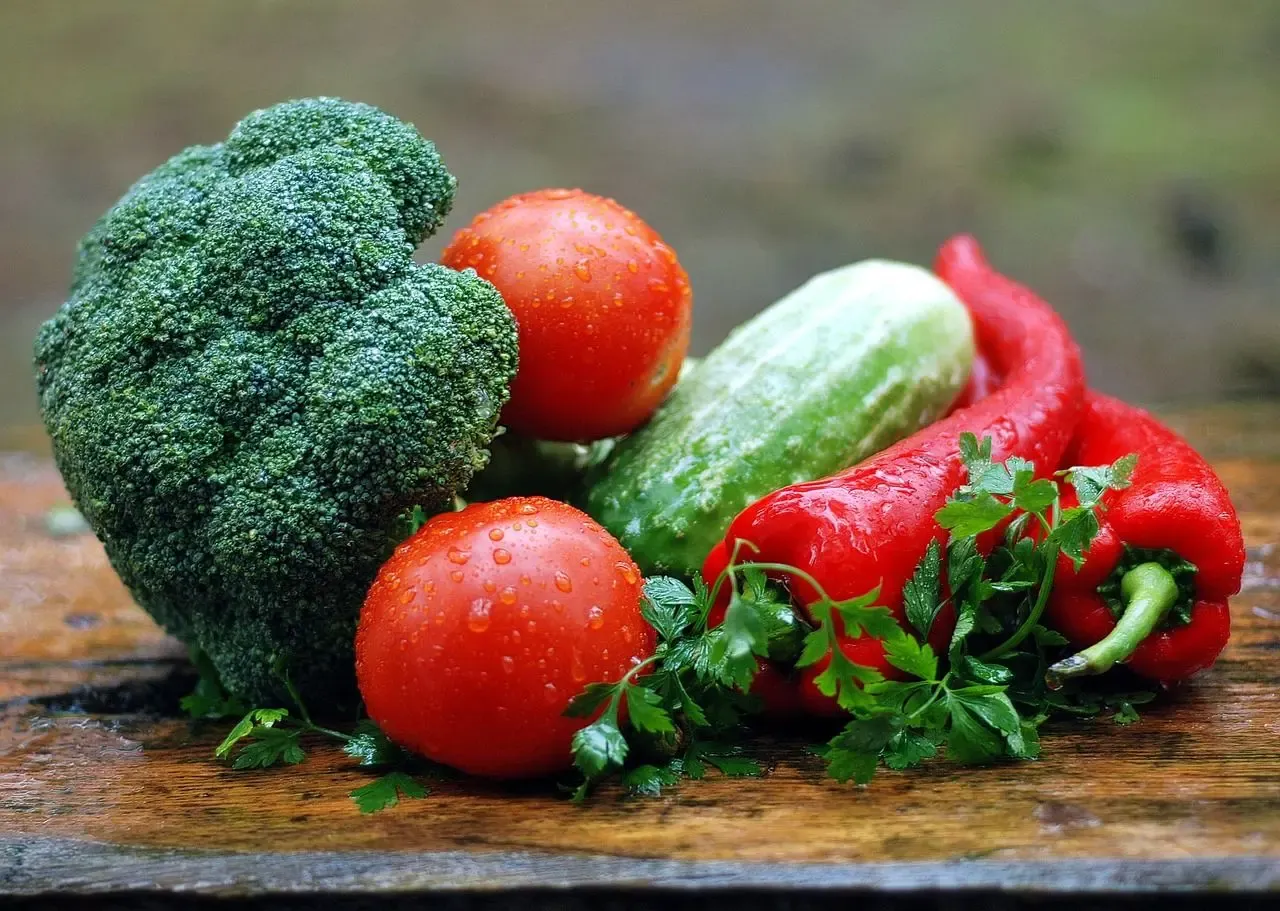
Cucumbers are a true vegetable all-rounder. They can be enjoyed as a snack in between meals and they enhance just about any salad. However, cucumbers should be processed as fresh as possible, otherwise, there’s a risk that they become limp and mushy quickly. How can this be prevented? First of all, cucumbers actually do not belong in the refrigerator. The ideal storage temperature for the vegetable is between 10 and 13 degrees Celsius. If a cucumber is stored in the fridge, it will last a maximum of four days. The ideal place for storage is the vegetable compartment. However, not in the vicinity of apples, tomatoes, or similar. These emit the gas ethylene, which causes the cucumber to ripen faster.
Drying food
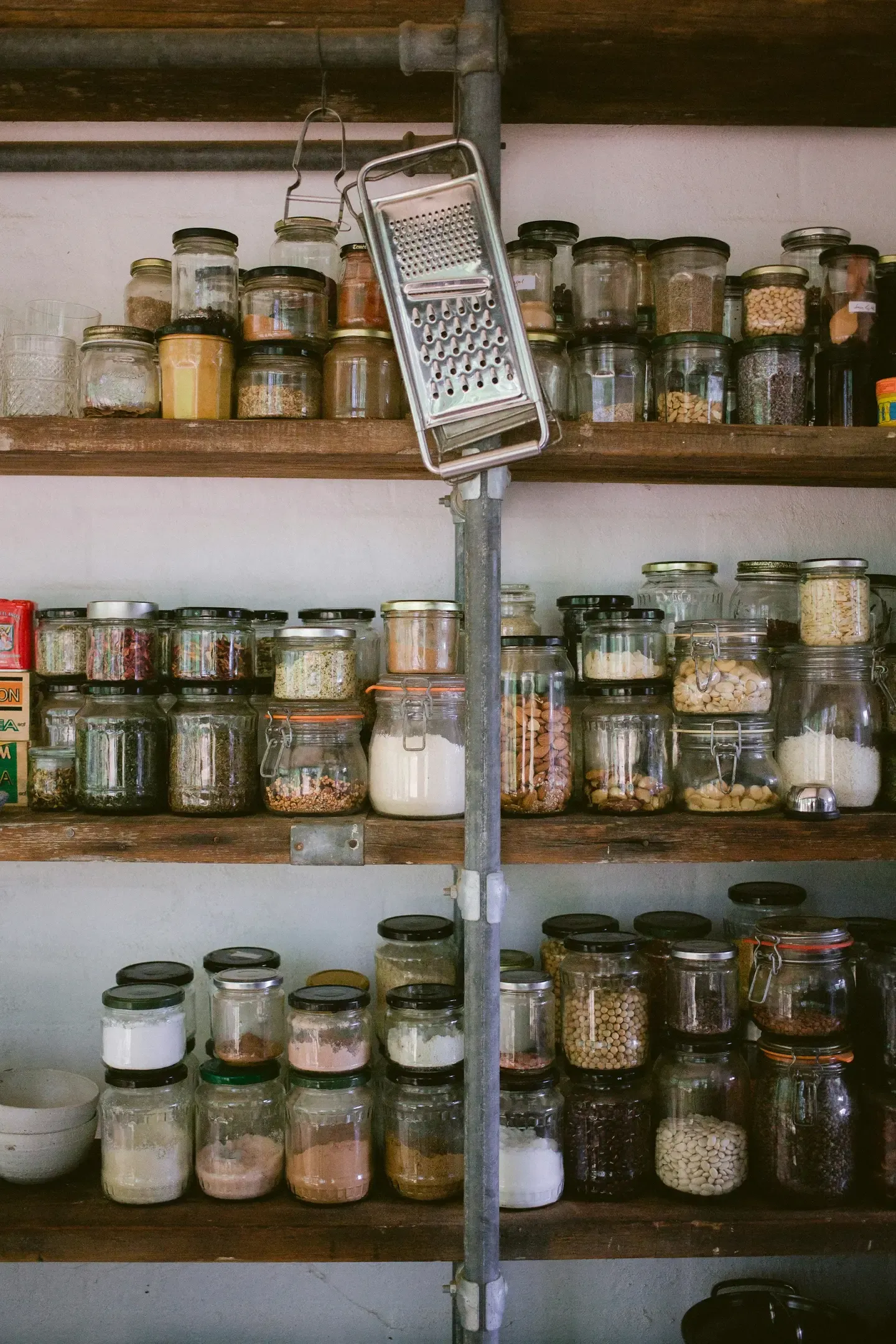
Another way to preserve food for a longer time is by dehydrating, which means drying the food. Probably the most well-known dried fruit is the raisin - which is a dried grape. Dehydration removes moisture from the food, thus depriving microorganisms and enzymes, which are responsible for food spoilage, of their breeding ground. You can dehydrate food using a dehydrator, in the oven, or on the balcony. Here follows a detailed blog post.
Insert
Another method to preserve food for a longer time is to pickle it in alcohol, brine, or oil. Here too, microorganisms are deprived of oxygen. Pickled foods can last about a year. High-proof alcohol like rum, vodka, cognac, arrack, or brandy is particularly suitable for pickling. Fruits are commonly pickled in alcohol, with rum pot, Calvados apples, or Williams pear being some of the most well-known. To achieve a special flavor note, one can also add vanilla, basil, or parsley, for example.
Make bananas last longer
It’s commonly known that bananas actually don’t belong in the refrigerator. However, there is a way to keep the popular fruit from getting brown spots for a longer time. All you have to do is hang the bananas up. When lying down, bananas tend to get pressure marks, which later turn brown or black. The tropical fruits are most comfortable in a dark, cool place that should also be dry. To slow down the ripening process, you can also wrap cling film around the stem.
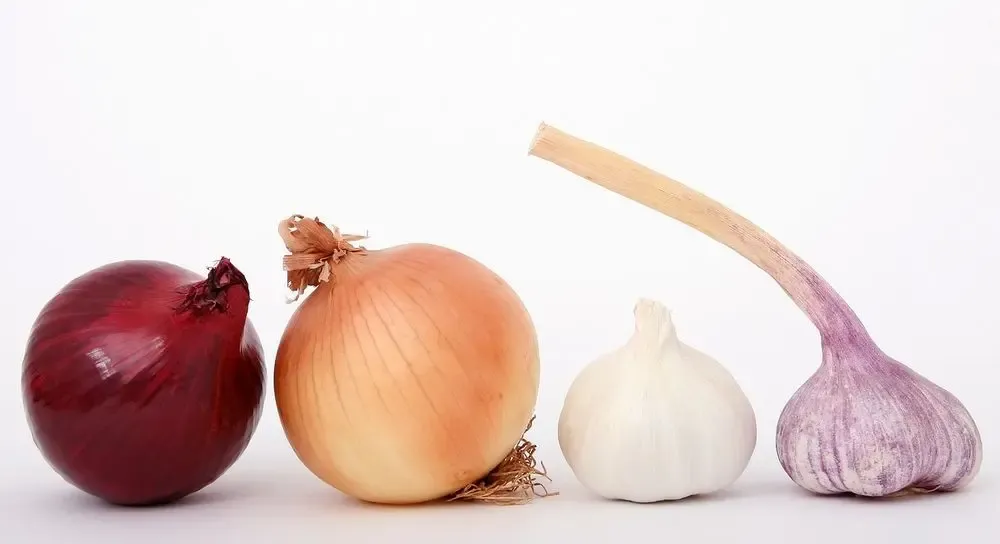
Onions and nylon stockings - a match made in heaven
Onions are naturally quite long-lasting in terms of storage, but there’s a trick to extend their shelf life: using nylon stockings. To do this, place the onions into a long nylon stocking (for example, repurposed tights or socks) and tie a knot after each onion. When you need an onion, simply cut above the knot. Spring onions last longer if you slice them into rings and then place them into a cleaned plastic bottle, which is then stored in the refrigerator.
Broccoli in a glass of water
Those who enjoy eating broccoli and want to keep it fresh longer should trim the stalk and place it in a glass of water like a bouquet of flowers. The water should be changed daily. Broccoli prefers a cool environment, so the best place to store it is in the refrigerator. The vegetable does not continue to ripen, but it does dry out with prolonged storage (whether in water or not). Moreover, the taste or aroma changes as the broccoli ages. Frozen broccoli, on the other hand, can last for several months.
Read next