With the warm temperatures, many are drawn out into nature. However, those plagued by hay fever and pollen allergies tend to view this with a sense of dread. Because with every deep breath comes a free dose of sneezing attacks, runny nose, or watery eyes, making time spent in the fresh air more of a hassle than a pleasure. Perhaps you’re not only affected during the early blooming phase but suffer from symptoms all year round that don’t go away despite antihistamines? Normally, the complaints should subside or disappear completely after the peak phase. However, this is often far from the case. What’s the reason for this?
Hazel, birch, and alder are the most common triggers for pollen allergies
When allergens from trees and grasses reach the mucous membranes and respiratory tract, allergic reactions are triggered. The body releases the endogenous messenger substance histamine. This is the trigger for allergic symptoms that are typical for pollen allergies or hay fever.
Cross-reactive allergies are also responsible for symptoms, did you know that?
Hay fever and diet - what does histamine have to do with it?
What many do not know is that food contains histamine. When the body takes in an additional high dose of histamine through food, the symptoms worsen and the immune system has even more work to deal with the allergic reaction. Thus, it is likely that the exacerbation is homemade, so to speak, due to the diet.
Which foods have a high histamine content?
Are you wondering which foods contain increased levels of histamine? We will list them for you here:
- Cheese varieties such as Brie and hard cheese
- Smoked fish and seafood
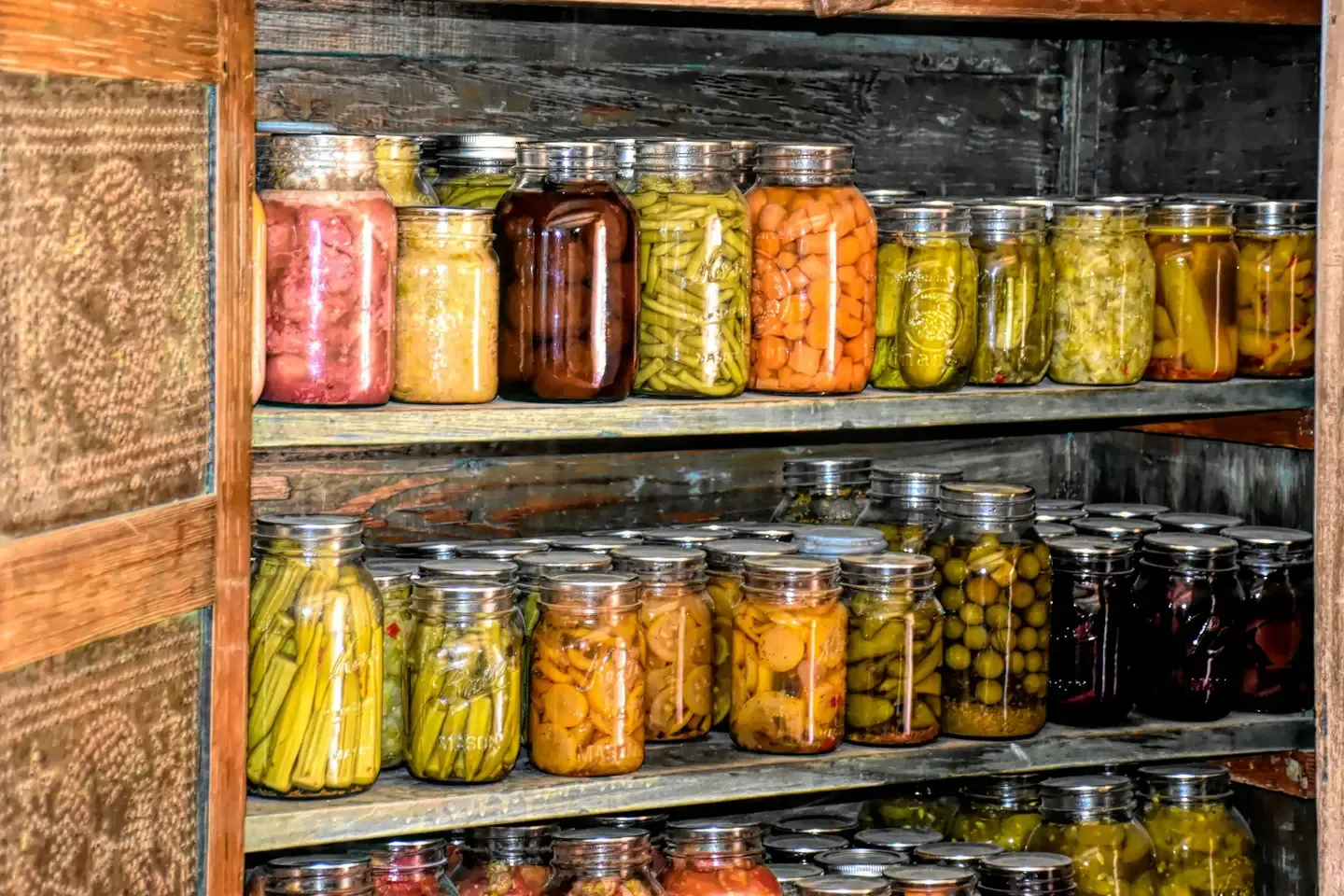
- Canned food
- Smoked meat (ham and salami)
- Beans and legumes (soybeans and chickpeas)
- Wheat products
- Chocolate and cocoa
- Vinegar
- Sauerkraut
- Fruit (such as pear, banana, orange, and strawberry)
- Nuts
- Types of vegetables (e.g., spinach and tomatoes)
Additionally, it should be noted that processed foods, too much sugar, alcohol, and caffeine can exacerbate symptoms. It is therefore advisable to pay closer attention to these and reduce or ideally eliminate them.
Fruits and vegetables that contain little histamine relieve the body.
Less histamine, these are the foods
Especially as someone suffering from hay fever, it is important to pay attention to a nutrient-rich diet with vitamins and minerals. Zinc, selenium, magnesium, and vitamin C should be consumed in sufficient amounts. The intake of vitamin C, in particular, should not be neglected. This lowers the histamine level and has anti-inflammatory effects. Magnesium ensures that the release of the neurotransmitter histamine into the bloodstream is prevented. This also provides relief.
Support your body effectively, here’s how!
Would you like to specifically support your body and immune system and switch to a low-histamine diet? Then the following foods will help you with that:
- Fruit (melon, blueberries, rhubarb, cherries, blueberries, apricot, and apples)
- Vegetables (lettuce, cabbage, beetroot, pumpkin, bell peppers, carrots, potatoes)
- Grains (corn, rice, spelt, quinoa, amaranth, oats, and millet)
Water, the most natural way to quench thirst, especially for those with allergies.
Fluid balance, the be-all and end-all
Drinking habits should not be neglected. By consuming enough fluids, you support your body in moistening the mucous membranes and alleviating the symptoms.
Cheers!
Alcoholic beverages such as beer, wine, and sparkling wine contain high levels of histamine. Additionally, the production of this messenger substance in the body is stimulated by alcoholic drinks. This promotes allergic symptoms and worsens overall well-being. Not only alcoholic beverages but also coffee and various types of tea affect the condition. Therefore, the recommendation is to increasingly rely on water.
What else helps besides changing one’s diet?
The greatest contribution can be made through diet. What doesn’t enter the body in the first place doesn’t have to be fought by the immune system. The pollen that settles everywhere and can be seen as a yellow layer should be regularly removed by damp wiping. A tip is to wipe your furniture and floors damp more often to provide relief. Furthermore, rooms should be aired several times a day, bedding should be shaken out, and hair should be washed in the evening. This approach provides relief and supports your well-being.
Histamine sensitivity falls under the category of food intolerances. We will address this in this article.
Would you like to stay updated with the latest news? Then sign up for our newsletter.